
There’s something special about the theatre community. Listen to anyone who has experienced it and they’ll tell you it was a place free of judgment and full of friendship. A place they felt accepted. This community is what initially caught Diana Grisanti’s interest. It was an embodied space to stage arguments, wrestle through ideas, and engage in a shared passion. In reflecting on her initial connection to craft she said, “In high school I was acting in plays and really loved performing. I always knew that I didn’t really want to be an actor, but I wanted to be in the room. I wanted to be in the rehearsal room. Being around theatre people was so exciting and fun. I made my best friends there.” She attended an after-school theatre conservatory with acting classes, but it was the Saturday morning playwriting class that kept her coming back. “I loved it,” she exclaimed. “At that point, I had no idea how to write action on stage. I didn’t know how to make events happen, but I knew how to write people talking to each other.” She was fascinated by the dialogue between characters and her love for theatre grew, eventually taking her to the University of Iowa’s theatre program.
In Iowa, theatre people were still her people. “I got to see all these people who were choosing playwriting as a career and that was exciting,” she said. She continued to find her people as she returned home to intern for a year at Actors Theatre in Louisville, KY. Through this internship, she was assigned to three new plays at the Humana Festival of New American Plays, all three of which were written by playwrights who were professors at universities. It clicked for her: “This is how you make a living and a life as a playwright. You teach, and you write,” she said. The playwrights she worked with that summer became important mentors for her, most notably successful playwright, Sherry Kramer.
After completing her undergraduate studies, she knew she wanted to attend graduate school, but not immediately. She moved to Cuernavaca, Mexico for a couple of years and worked as a research assistant for a former teacher completing their dissertation. She beamed, “It was like my mid-twenties writer’s retreat for a couple of years. I was living life, writing, and having a great time. Then I used one of the plays that I wrote [during that time] to get into grad school.” She then attended the University of Texas at Austin, where she was able to work with Sherry again during her stint as a Visiting Associate Professor. Her M.F.A. in Playwriting brought her opportunities to work as a guest artist, playwriting instructor, artistic director, and playwright in residence at institutions across the United States. She has taught students of all ages but really enjoys working with college students. “They’ve decided that they want to do this for their career. They’re more invested in the craft. It’s not just fun. Although sometimes you have to remind them, it is just fun,” she laughs.
Of course, Diana knows—and tells her students—that writing isn’t always easy. Playwriting is a rigorous craft, one that requires collaborating, listening to feedback, and revising. “Writing is rewriting,” she explained. Learning to take feedback is a skill she tries to instill in each of her students at Ball State. She demonstrates the necessity of this practice through experiential learning opportunities for her students. Whether it’s a field trip to see an early-stage reading of one of her plays, a study abroad trip to Mexico, or a new works event on campus, she sets intentional times aside for students to participate in the feedback, or talkback, sessions with the writers.
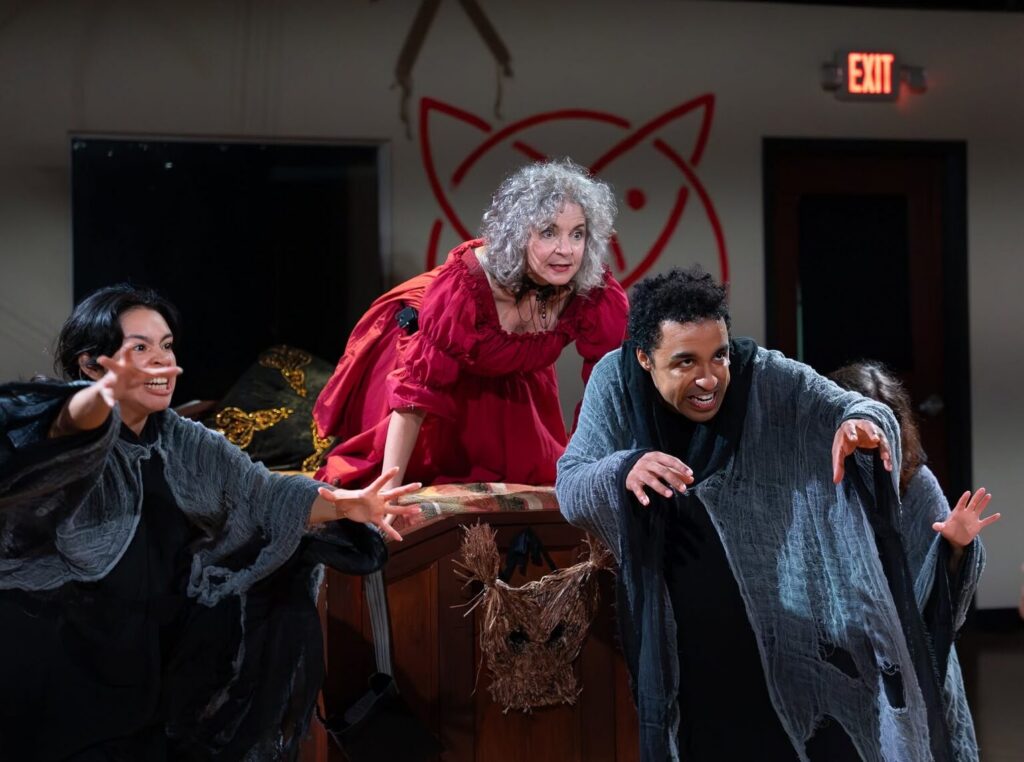
Her students had an opportunity a few years ago to attend a reading of her play, Untimely Ripp’d, before it debuted at the Kentucky Shakespeare Festival. With the help of funding through the Apsire Internal Grants program, she curated a mini-festival where her students were able to see her in-progress, unfinished work, as well as other artists’ finished works at the Actors Theatre of Louisville and Pandora Productions. “I think what’s magical about experiential education is that it hits on a different level and stays with you. In theatre and in film, people are always saying, ‘Show, don’t tell.’ It’s kind of the same with life. If you experience something, you’ll probably remember it more than just hearing it delivered in a lecture,” she shared.
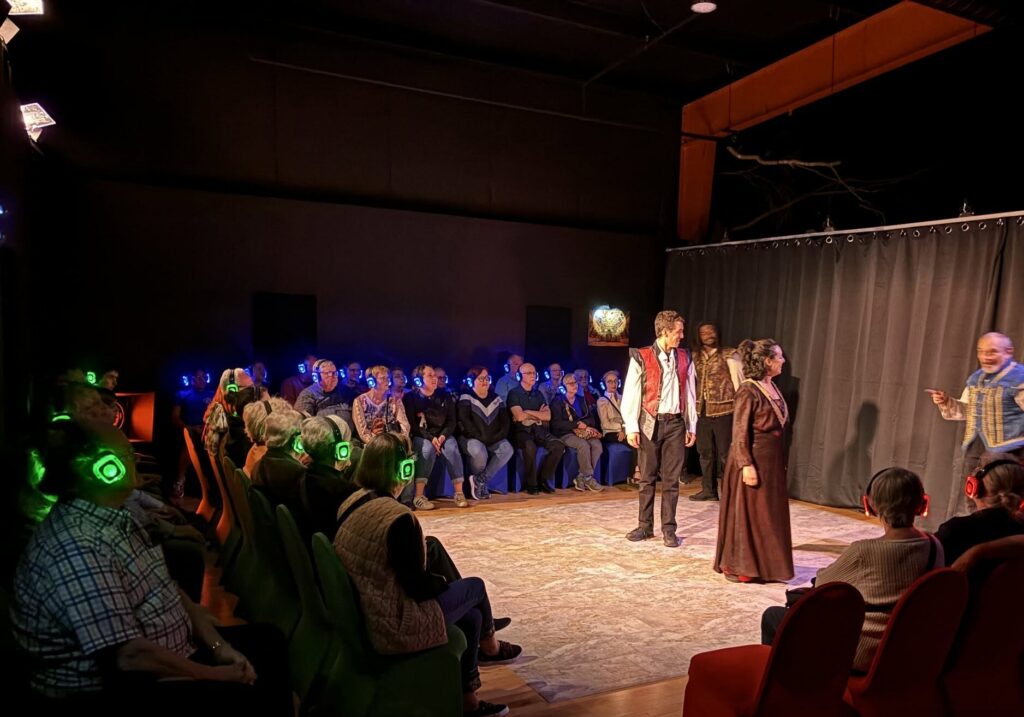
After many rewrites, Untimely Ripp’d debuted at Kentucky Shakespeare as an immersive, macabre Macbeth experience in 2024. Described as “a daring, immersive, choose-your-own adventure” by writer Sydney Meyer, audiences are led through various rooms while wearing noise-cancelling headphones to further immerse themselves. Grisanti, along with her writing partner and spouse, Steve Moulds, spun the tale of Macbeth into a scary, yet fun haunted house experience. As she described their process, she elaborated, “We got really interested in King James VI, who was the king at the time that Shakespeare wrote Macbeth. He wrote a book called Daemonologie. It was just the rantings of a madman saying, ‘Witches are taking over the world!’ He was obsessed with witches, a.k.a. he was totally misogynistic and exported this fear of witches across the world, leading to the persecution of witches. The play really ended up being about the witches, women, and reproductive health.”
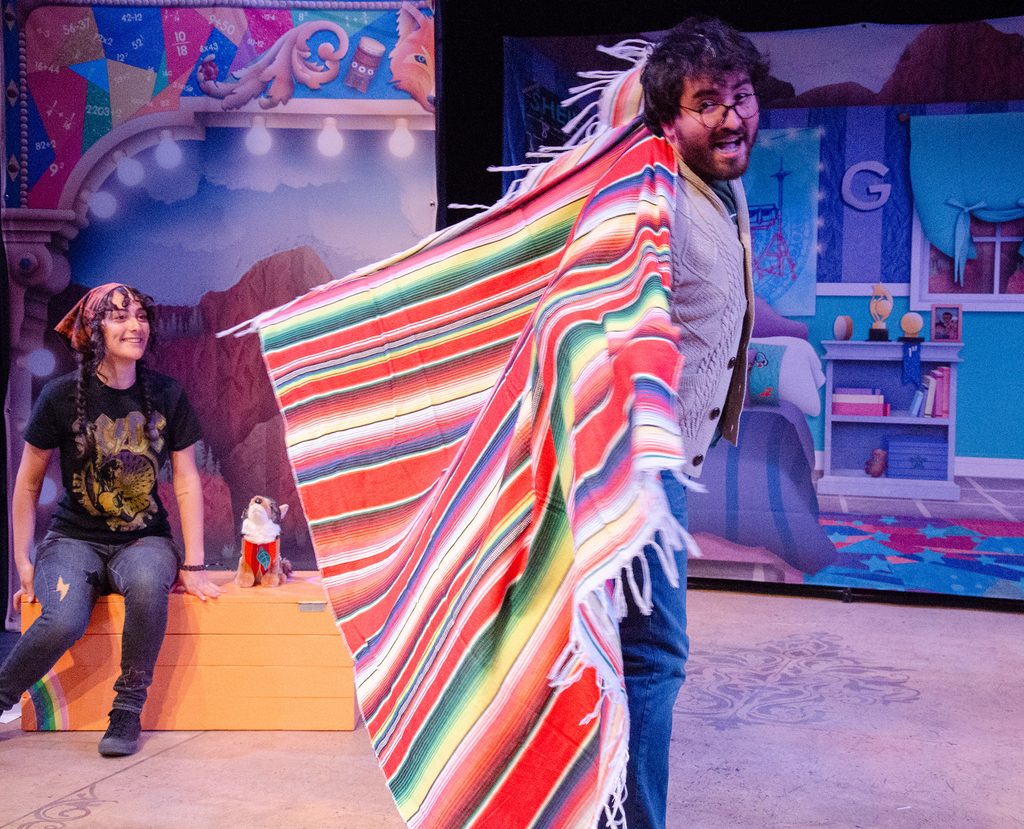
“I wanted to tell stories and experiment with form. I always liked writing and I have a lot of opinions. I wanted to put them on paper,” she explained. Playwriting has been the vehicle for her to explore her opinions and the topics that interest her most. In addition to her previous haunted play, Enter Ghost, Grisanti has dug into themes of family, grief, moral dilemmas, and feminism. A unique angle in her work is that many of these plays have been written for young actors and young audiences. Through a partnership with Creede Repertory Theatre in Colorado, Diana has worked with composer Emiliano Messiez to bring bilingual musicals to audiences through their Young Audience Outreach Tour. This initiative, which is inclusive of audiences for whom English is not their native language, can oftentimes be a child’s first exposure to theatre. She tries to see each of her shows when they’re on tour along with the audience: “It’s always amazing to watch students see a play, a lot of them for the first time because these areas [where the cast performs] are remote and rural,” she explained.
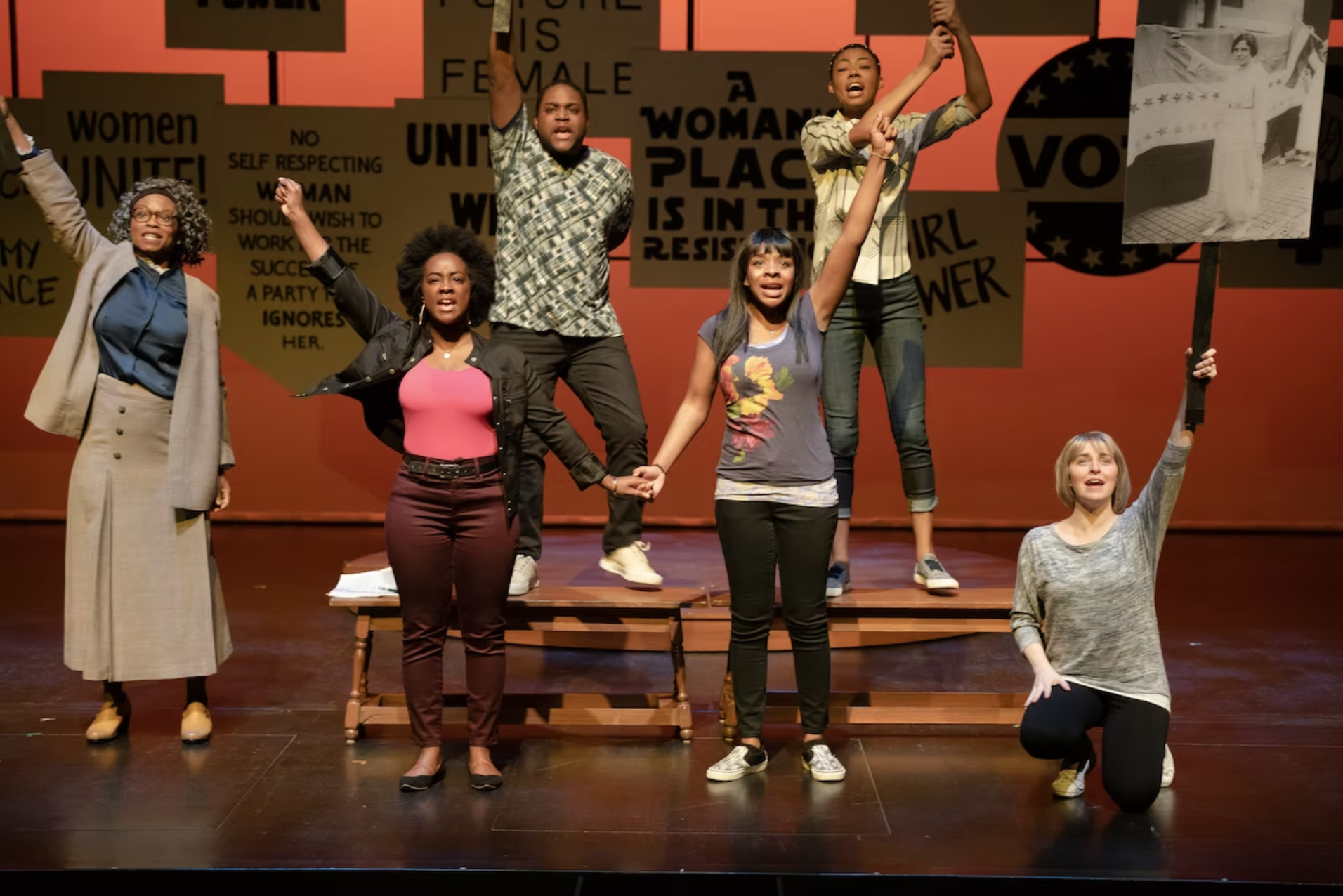
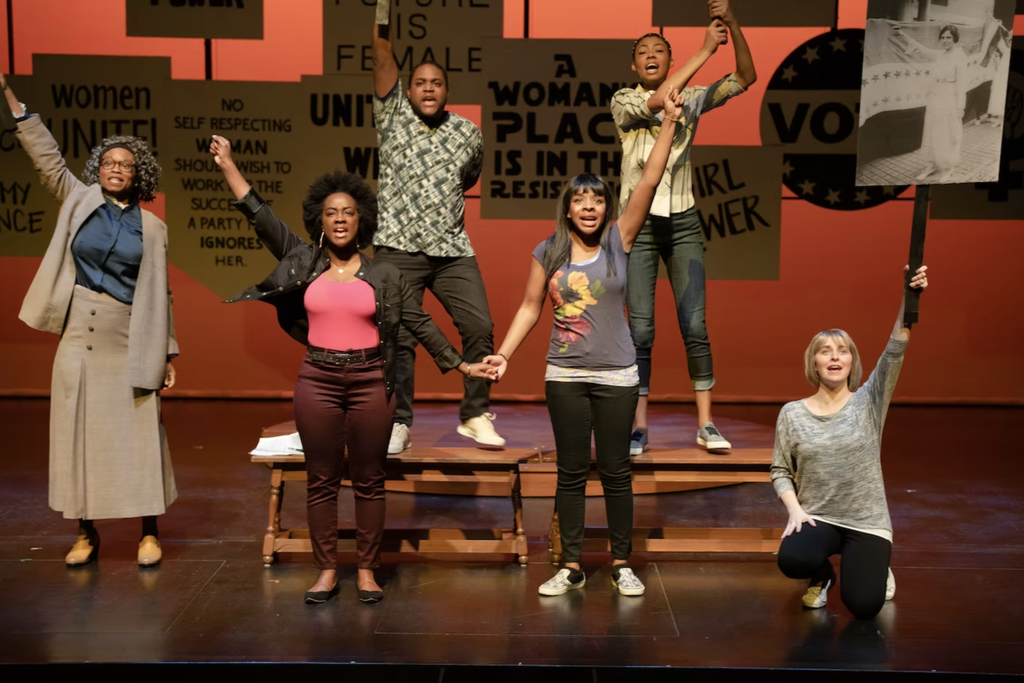
As I learned more about Diana, I saw more of her in each of her works. She is not only a member of the theatre community but is creating a community for others. Her plays targeted to young audiences and actors provide a space for children to find their people. She weaves in her experiences with Hispanic culture into these pieces, further incorporating inclusivity and elevating marginalize voices. She digs into topics she finds interesting, like bedrest studies, in her audio play, Vanessa in Bed, where she plays with time, family relationships, and resilience. She brings her pastime playing youth sports into her plays centered on athletics, of which she’s working on her third. Her current commission comes from the Clarence Brown Theater for a play about legendary basketball coach, Pat Summitt. She has multiple works, including Lawbreakers! A fast and furious history of women’s suffrage, that explore feminism and social justice. She’s artfully blended her interests, whether it’s sports, Hispanic culture, family and interpersonal dynamics, or feminism into each of her original works.
This work has not gone unnoticed. Diana was recently the recipient of the Outstanding Creative Endeavor Award, an annual honor bestowed on a faculty member with outstanding creative achievements. This honor comes by way of a rigorous nomination process, including many letters of support from her peers in the Theatre and Dance department, as well as others in the theatre community. When asked what it meant to be nominated by her peers, she said, “It’s so nice. Artists toil away and there’s a lot of rejection and disappointment. When you get a win, like someone saying, ‘Good job,’ It’s exciting. I have to remind myself to celebrate this moment.” Diana, who currently serves as Assistant Professor of Playwriting at Ball State University, brings this excitement and recognition back to her work in the classroom. She expressed, “I have to confess, there are days that I think, ‘What’s the point?’ Then I teach, and think, ‘This is the point.'”
She continues to bring her experiences as a practicing playwright and artist into the community she has created for and with her students. By modeling how to incorporate their own burgeoning identities and interests into their work directly, Grisanti encourages them to create new communities of their own. In doing so, she encourages the next generation of playwrights to bring their whole selves to the craft, allowing these unique communities to shine on center stage.
Written by Marie Thompson