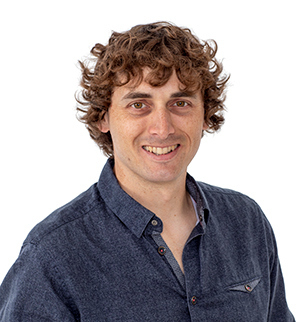
Rumi, a thirteenth century poet, said, “Everyone has been made for some particular work, and the desire for that work has been put in every heart. Let yourself be silently drawn by the stronger pull of what you really love.” For Paul Venturelli, that pull is the tug of a fish on the line. As a child, he was raised a stone’s throw away from a river in Ontario, and it was that river, and other aspects of the Canadian landscape, which cultivated his love for the outdoors. It was there that he went swimming, snorkeling, canoeing, but also fishing, oftentimes with his dad and brother. As he grew, so did his love of science, leading him to York University to study Environmental Science. At York, at a research station on a lake, Paul realized he wanted to continue in academia. He shares, “We collected these samples and then we processed them and counted the critters we saw. I realized that no one had ever done that on that day in that place. There was no new discovery, but that’s when the light bulb went off, that I could generate new knowledge instead of just reading papers. I could write those [papers]. I could generate new knowledge, and it could be in this thing that I’m really attracted to, which is recreational fisheries.” For Paul, that was a “dream job.”
He continued down the path of academia, gaining a Master of Science from the University of Alberta and a Ph.D. from the University of Toronto. Dr. Venturelli then ventured south to complete a postdoctoral program at Louisiana State University. His career then took him to the University of Minnesota where he was a professor for six years conducting research in recreational fisheries. While the Land of Ten Thousand Lakes has plenty to offer in fish, Paul and his wife, who is also a professor, were seeking a place that could offer both permanent employment. What Indiana lacks in number of lakes, Ball State was able to make up for with two available faculty positions: one in each of their fields.
“I remember the day we both came home, and we said, ‘Did you see that ad from Ball State? Do you know somebody there? Do they want us in particular?’” Paul shares that it’s rare to find two openings at the same time, especially in their fields: fisheries management and animal behavior. Kismet as it may be, they still both needed to be hired. “We applied and let them know we were a package deal. I think I did okay on the interview, but she crushed it,” Paul says, beaming with pride. Nearly a decade later, Paul and his wife, Dr. Jessica Ward, are grateful to Ball State for their spousal-friendly approach in hiring.
With a change in location, Paul also saw an opportunity to shift his research focus, as well as gain more academic freedom. While his passion still lies with fish and the dynamics impacting their populations, there was also a rise in funding opportunities related to digital data. Dr. Venturelli’s lab now delves into what the data from an angler’s digital footprint can tell them about the spread of invasive species. This work allows agencies to target certain areas for potential inspection stations, provide additional education for anglers, and craft prevention protocols to stop the spread of invasive species from one body of water to another.
Venturelli’s lab also provides opportunities for students to work in a biology lab that may not have been able to previously. His researchers, a mix of biology and data science students, are writing code and working with computer programs to analyze data from mobile devices, sensors, and other sources. Researchers in his lab receive training in data science and analytics, providing them with a marketable skillset once their time with Dr. Venturelli has come to an end. He tells his prospective researchers, “I will make you employable,” which is a point of pride. A number of his students have been offered jobs and hired before they walk across the commencement stage—a rarity for many of their peers.
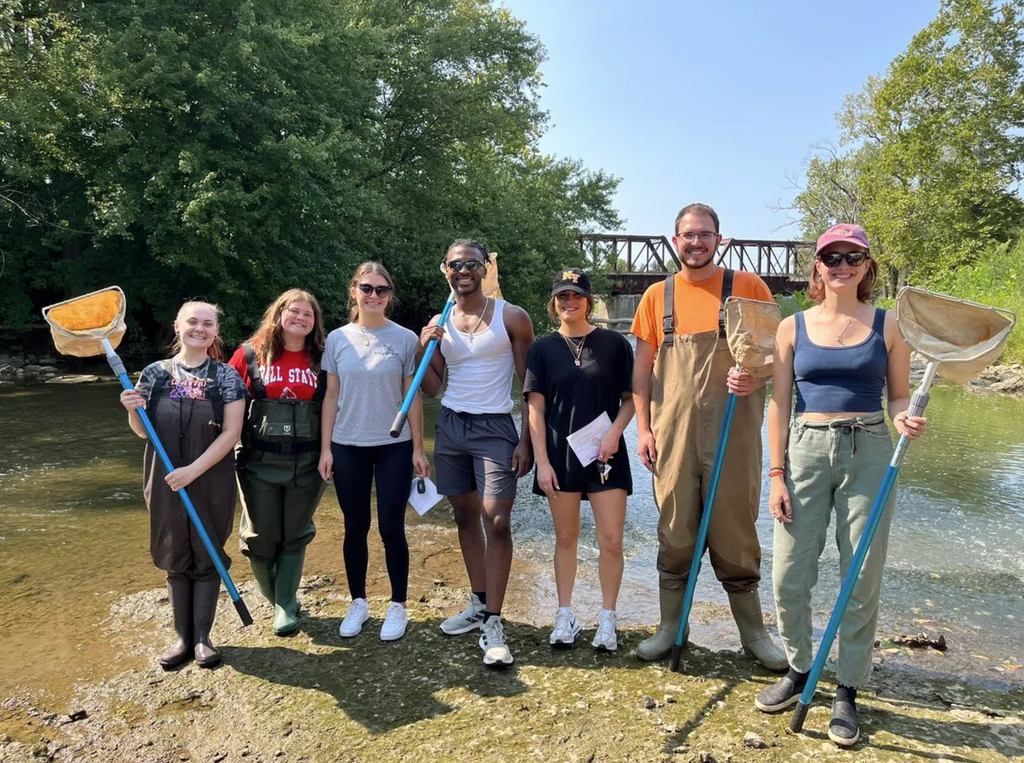
Along with the prospect of new discovery, working with these students is one of Paul’s favorite aspects of his career. “It’s cool to be a part of their journey,” he says of working with graduate students. “It’s an exciting time in their lives when the world is open to them and they’re not pigeonholed yet. They are flexible and dynamic. [We form] a temporary family. The flavor of that family and what we do as a lab evolves depending on the mix of people and personalities. I get to witness them going through life transitions as individuals, but the lab also changes,” he shares.
Support for students and their wellbeing doesn’t begin and end in Venturelli’s lab, though. Paul recruits quality graduate students to Ball State, many times supplementing their assistantship stipend from his grant, providing them with a livable wage while they’re completing their program. The desire to have students choose Ball State is a common one on campus, but this generous support for them while they’re here—financially and academically—is more rare. Rather than viewing this as divvying up his grant awards, he sees it as an investment in his lab. “Grants allow me to [add to their stipends] and keep my research going. It’s more efficient to have people and have a productive lab,” he says. His students take note of this. Aaron Muehler, a Ph.D. student in the Venturelli lab, shares, “Dr. Venturelli places heavy importance on making sure that students are comfortable. Graduate school can be an isolating, stressful, and mentally taxing experience, and Dr. Venturelli places importance on checking in on his students often.”
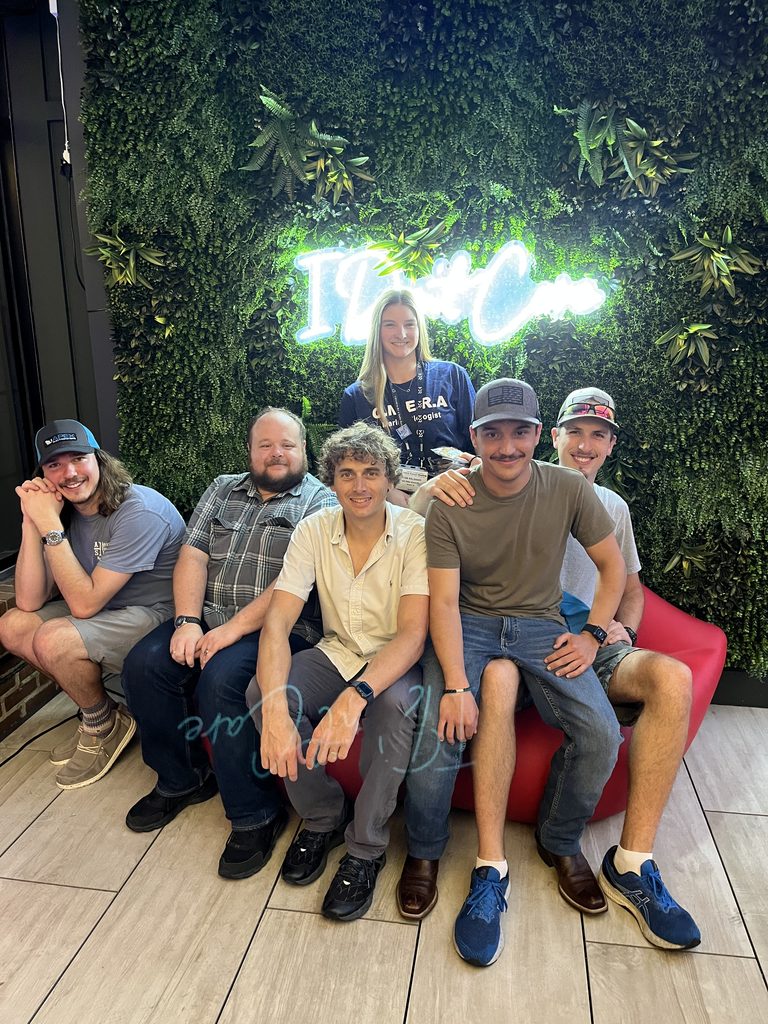
Dr. Venturelli has been awarded numerous grants throughout his career totaling nearly $2.25 million. These grants, like the one from the U.S. Geological Survey, provide means for him to travel and disseminate his research at conferences. “[Grants] allow me to stay relevant because I can publish papers. [These grants] allow me to network and part of the reason I’m able to have ongoing success is because I’m going to conferences,” he shares. Attending conferences allows him opportunities to share his research and be inspired—oftentimes leaving with new potential collaborations.
Collaboration has been key for Paul, ranging from researchers in his lab to colleagues in the field domestically and internationally. He shared that at times he can feel discouraged, and feels the work his lab is focused on is often overlooked. Important work is happening in the Venturelli lab, though. This work involves students in the research, at times resulting in peer-reviewed papers with student co-authors. Dr. Venturelli also provides outstanding mentorship for undergraduate and graduate student researchers. Aaron shared that Dr. Venturelli’s mentorship style “adapts to students with different needs and at different academic levels. His ability to relate to students, both undergraduate and graduate, allows him to communicate high-level scientific topics effectively. Not only is his instruction clear, but he provides students with a safe and supportive space to share new ideas and to learn.”
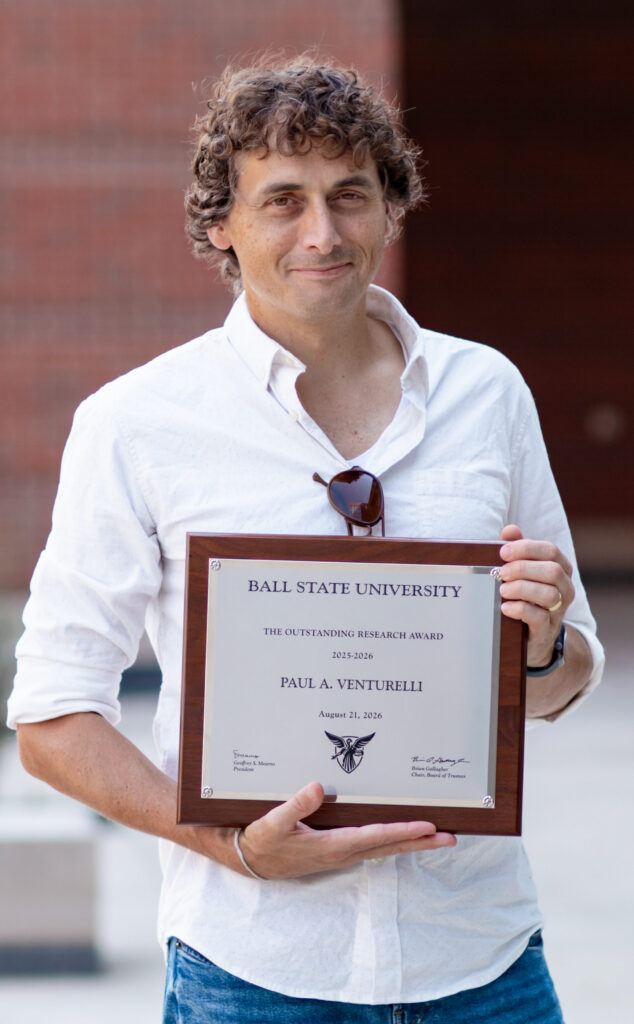
In local recognition of his work, Dr. Venturelli was recently presented with the Outstanding Research award from Ball State University. This recognition, from his peers, collaborators, and administrators, has filled him with appreciation. “I feel indebted to them,” he shares. These nominators recognize his contributions as a “global leader in data collection and data use,” as well as his consistency in bringing “strong, scientific ideas.” His colleagues across academia, agencies, and industry, highlight the “rigorous, meaningful, and innovative” work that he and his research team bring to the field of fisheries management. Aaron said, “It’s no wonder Dr. Venturelli was the recipient of this award. He demonstrates time and time again that he wants his students to be successful while also producing quality research, setting them up for their future career. Being able to work with him and learn from him has enriched my PhD experience immensely.”
Colin Powell said, “A dream does not become reality through magic; it takes sweat, determination and hard work.” Paul put in the hard work, wrote the grant proposals, finalized the sponsor reports, created the syllabi, answered the student emails, and submitted the grades. He continues to have the determination to show up in his lab, mentor students, discover new findings, publish the papers, and fight for his program. It’s not magic, but for Paul, it’s the dream—and that dream is making a difference.
Written by Marie Thompson