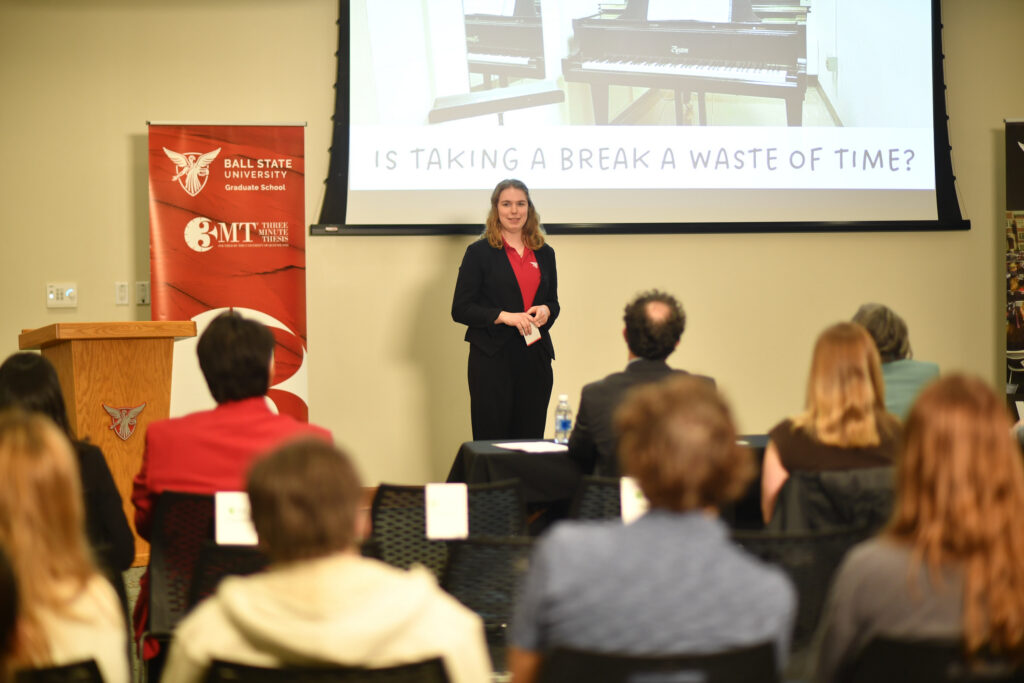
Musicians are expected to be dedicated geniuses, spending every waking moment hard at work honing their craft. The image of an isolated musician poring over sheet music is familiar to most of us, but what goes unnoticed in these expectations is the toll they take on mental health. Alena Miskinis, a dual master’s student studying Sport and Exercise Psychology and Clinical Mental Health Counseling, recognized this problem and set out to address it. With a background in Piano Performance, English, and Psychology, she understands this cultural expectation firsthand. Her empathetic and carefully designed research challenges the assumption that musicians must practice countless hours each day without pause.
Alena notes that musicians are often expected to work to the point where “a lot of us feel guilty anytime we aren’t practicing.” This environment frequently leads to neglecting self-care, since doing anything other than practicing is “culturally considered a waste of time.” She shared that “it is not uncommon for musicians to skip eating and exercising,” and that “some people even stay overnight in the practice room.” Her master’s thesis tests whether taking a short 15-minute break during a practice session can improve productivity.
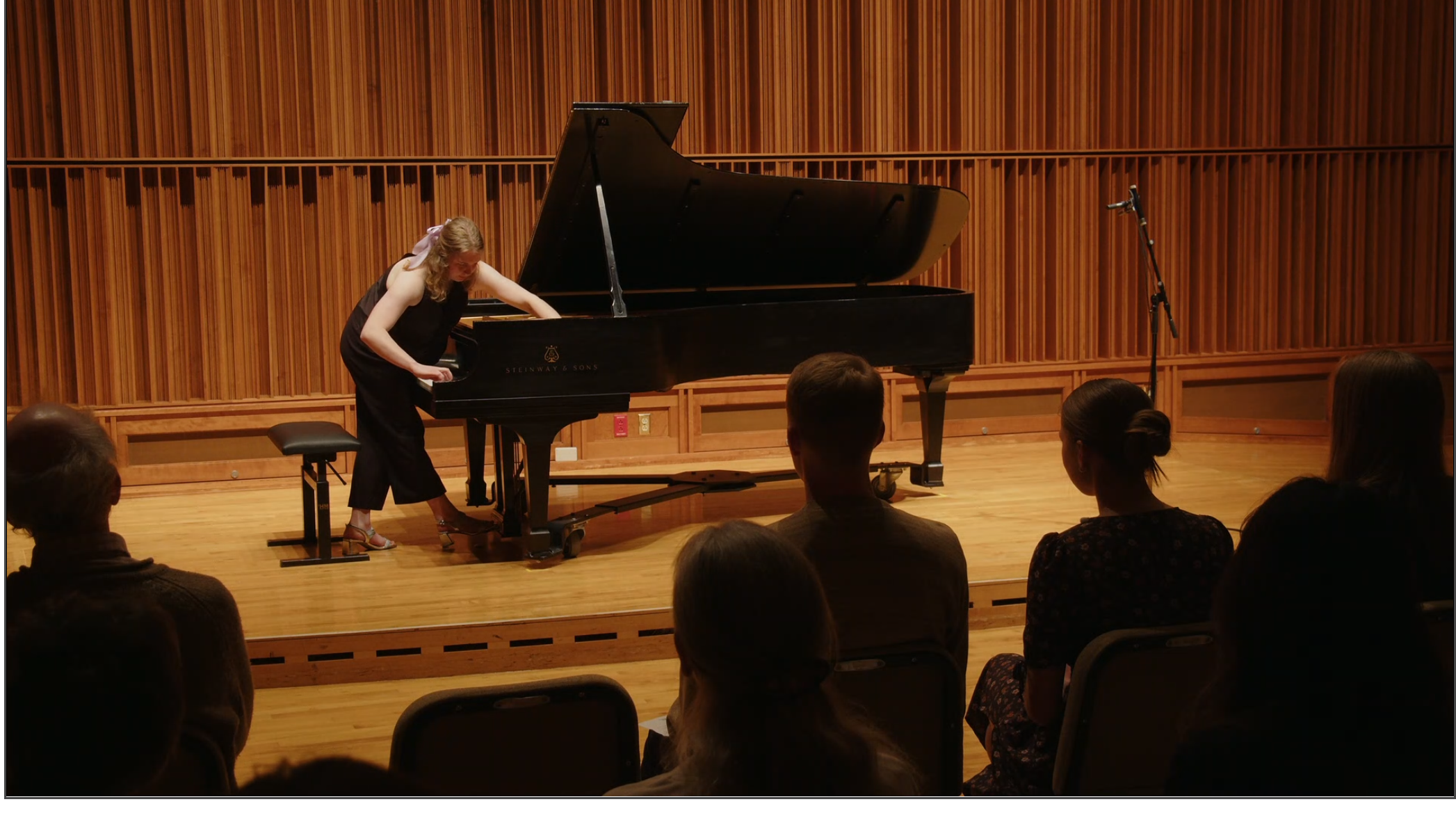
The study involved 30 music majors who primarily play the piano from across the United States. Participants spanned eight different countries, multiple degree levels, and a range of musical abilities and practice habits. Using a within-groups design, each participant engaged in one control session and three experimental sessions, each structured around one hour of practice, a 15-minute break, and then another hour of practice. The breaks tested included taking a walk, taking a nap, and scrolling on a phone, while the control condition included no break at all.
The findings confirmed that taking a break is a productive choice rather than a waste of time. Notably, what kind of break participants took mattered less than simply taking one. “Sacrificing a little bit of practice quantity by taking a break can lead to more productive practice quality. In other words, taking a break is not a waste of time!” Alena did find that the walk break produced some significant benefits, including better concentration and lower fatigue levels. But her results also pointed to something more personal: how much each participant enjoyed their break was itself a meaningful factor, suggesting that each musician may benefit from experimenting to find what works best for them.
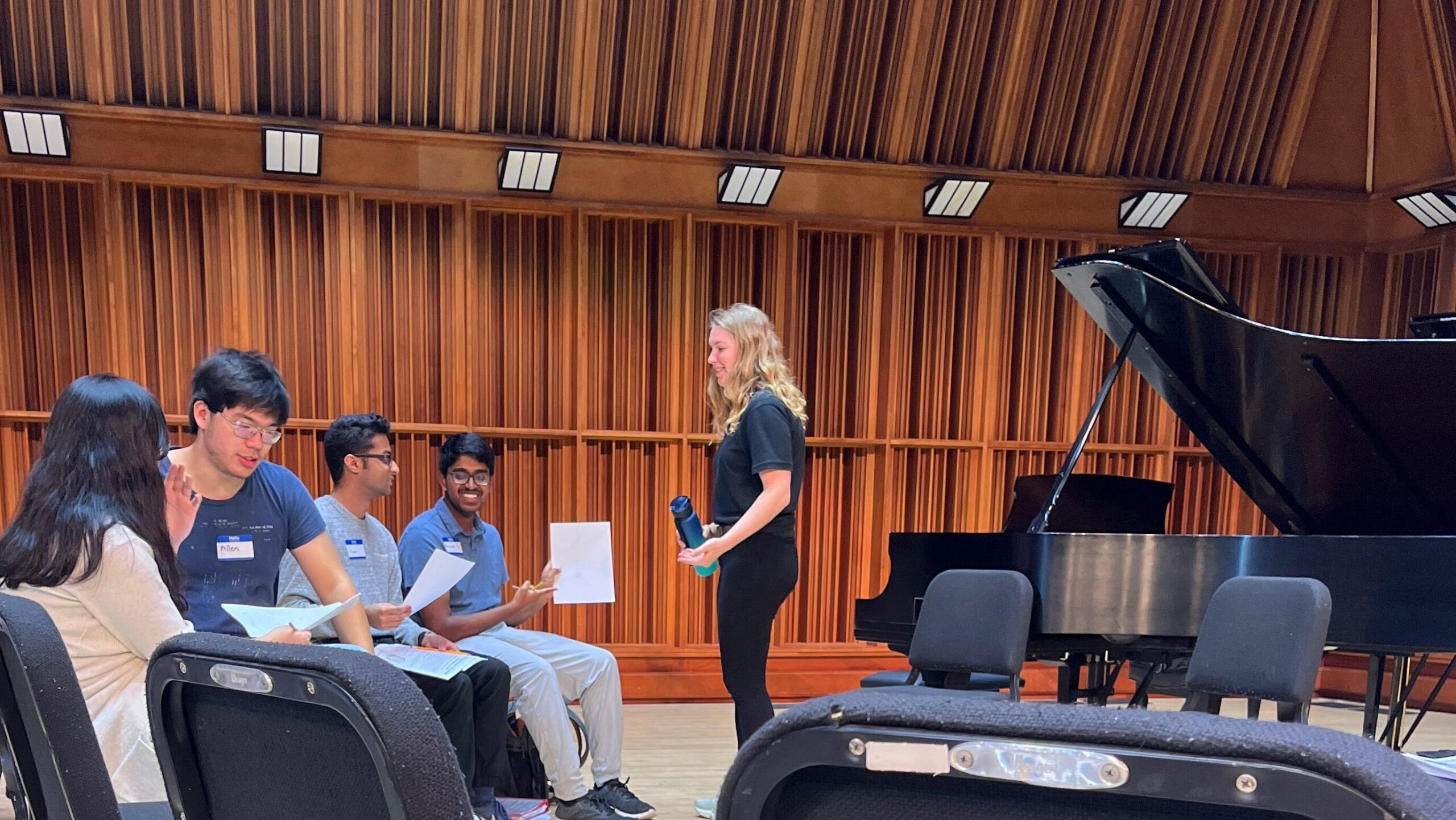
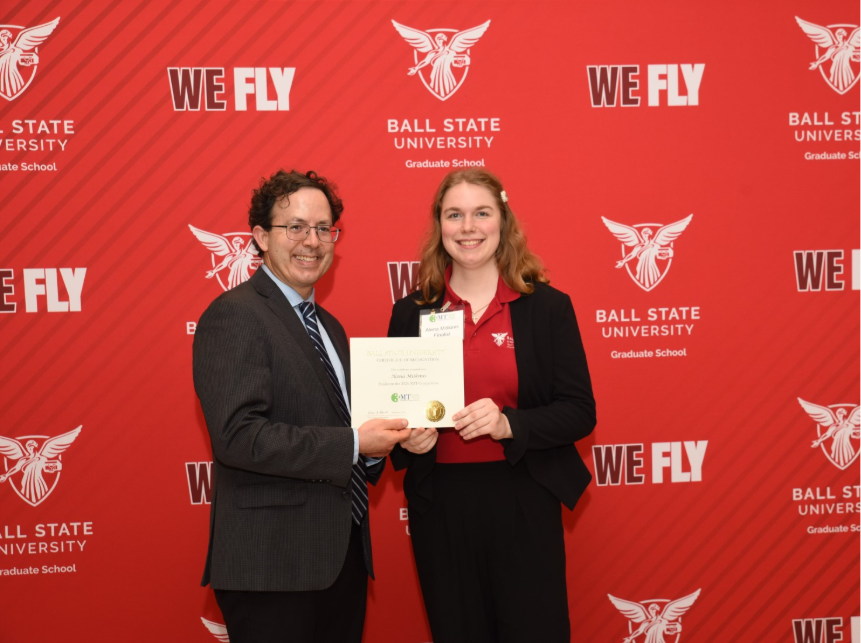
This project connects directly to her broader goal of promoting musician wellbeing by examining the role of recovery in an activity that is as mentally demanding as it is technical. Alena applied for the Hollis Grant to ensure her research participants were compensated for their contributions. “I wanted my participants to be paid for their work because musicians are often easily taken advantage of, underpaid, and overworked,” she explained. She has also received travel grants through Aspire, which supported her attendance at conferences. Alena‘s project won the 3 Minute Thesis academic competition and the Graduate Student Excellence award at the Annual Student Symposium. With data collection now complete, Alena will be defending her thesis at the end of April. This fall, she will begin a PhD program in Counseling Psychology at Cleveland State University.
For students considering applying for an Aspire grant, Alena recommends starting to review the application “at the beginning of whichever semester you want to apply during” to allow adequate time. While the process can feel daunting, she sees it as a chance to practice confidence and amplify your own voice. “Promoting your work and risking rejection can be scary yet also empowering,” she said. She also notes that a supportive advisor can make a real difference in navigating the process. She encourages any student with a funding need to consider applying to Aspire.
If you are working on a creative or research project, pursue the support you need to bring your work to life. Visit the Aspire webpage to start your application.