
By Paris Brady, Student Guard

Paris is a first-year student majoring in Studio Art and double minoring in Creative Writing and Art History. She has been with DOMA since January 2026 and hopes to continue working in the art world after college.
It is finally spring as of March 20 after such a long and freezing winter! The days are longer, and the weather is finally just barely warming up. Whether it is the rain, the daylight, or the flowers you like about spring, here are some artworks at DOMA that give off springtime vibes to help welcome the season.
Proserpine
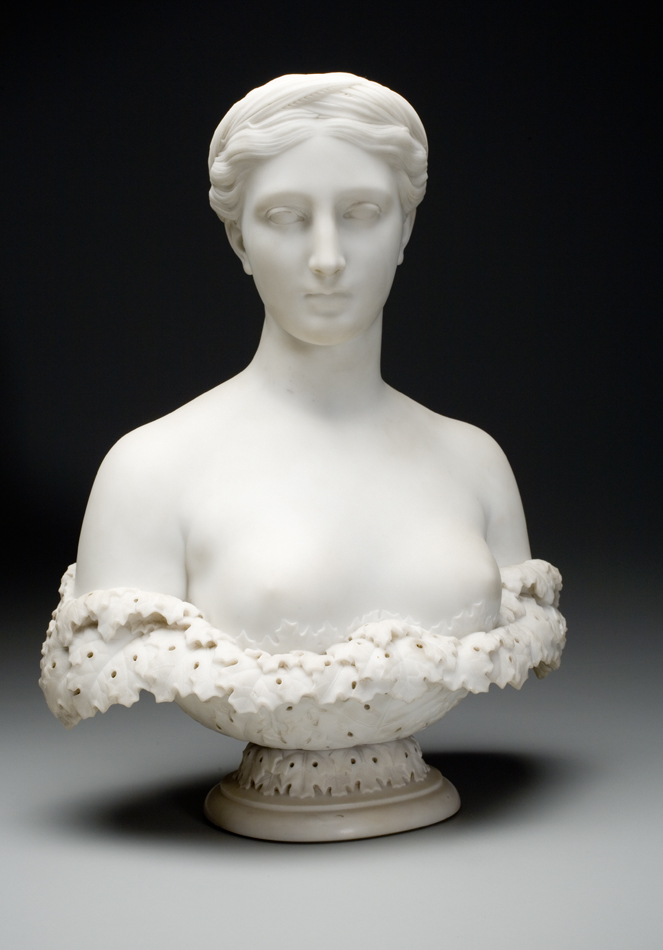
Proserpine, modeled 1843-1844 (carved between 1844-1849), Hiram Powers, American (1805-1873), marble, 21 x 15 x 9 in. (53.34 x 38.1 x 22.86 cm), Gift of David T. Owsley in honor of Dr. and Mrs. Thomas Sargent, 2005.041.000.
This bust was originally sculpted by Hiram Powers somewhere between 1843 and 1849. The sculpture was carved out of marble. The figure represented is Proserpine, the Roman goddess of spring. She is shown above the shoulder, and the sculpture’s base is decorated with acanthus leaves. The artist originally had the goddess holding a basket of flowers, but this was changed to make carving easier for multiple duplicates of the sculpture. The acanthus leaves represent rebirth and abundance, while Proserpine represents fertility, rebirth and new beginnings.
QingBai Ware Bowl and Teapot
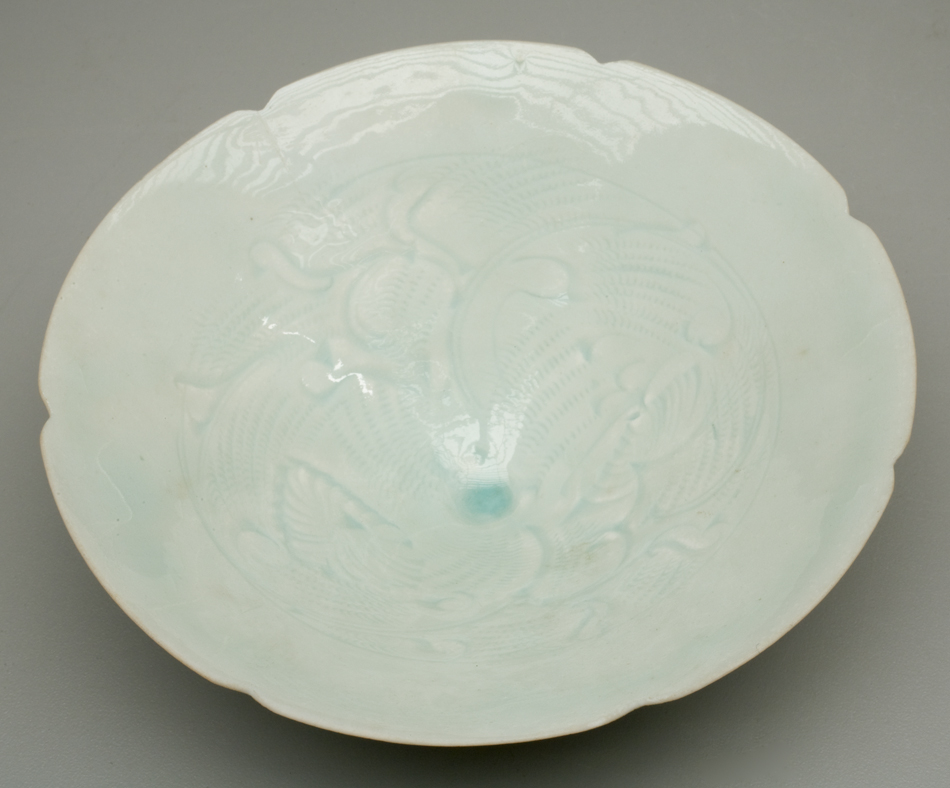
QingBai Ware Bowl, 960-1279, artist unknown, formed, fired and glazed porcelain, 2 1/4 in. (5.72 cm), Gift of David T. Owsley, 2013.019.112.
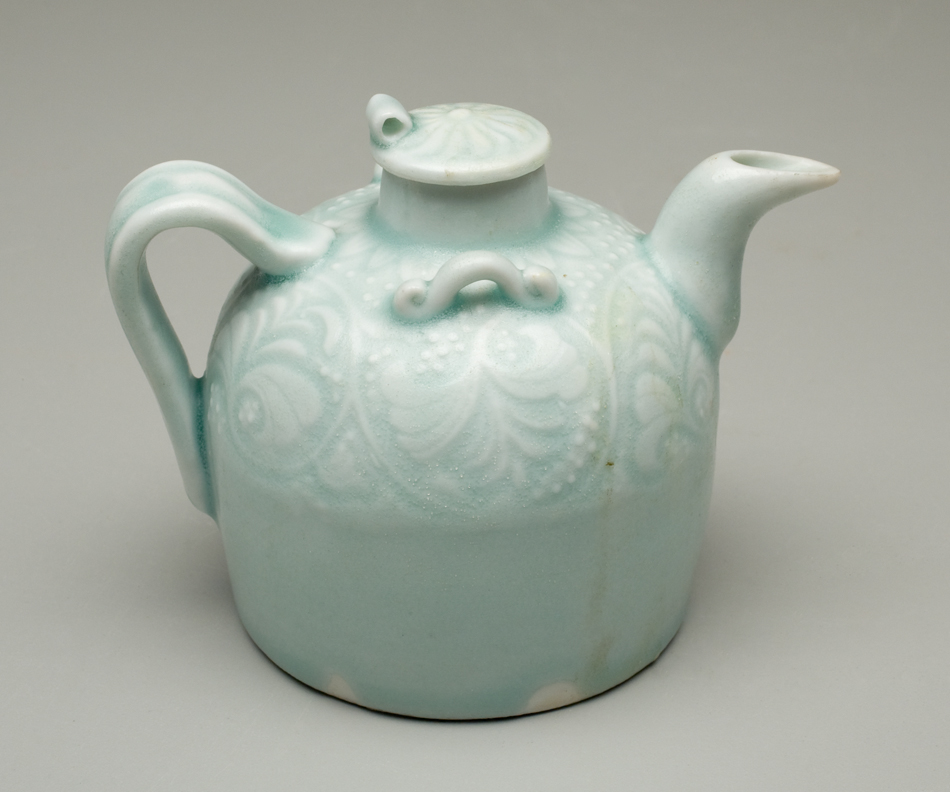
QingBai Ware Teapot, 960-1279, artist unknown, formed and glazed porcelain with incised decoration, 3 5/16 x 3 1/2 x 4 1/4 in. (8.41 x 8.89 x 10.8 cm), Gift of David T. Owsley, 2013.019.122a-b.
These two dishes, created by a member of the Song dynasty centuries ago, were made with porcelain. These two dishes were created from very delicate material and paired with a pale blue glaze. The glaze’s color was chosen to resemble how the sky looks after rain. The form of the bowl resembles a flower petal. The engraved design is known as an incised lotus design. The teapot reminds me of how the most aromatic tea leaves are harvested in spring.
Climbing Roses
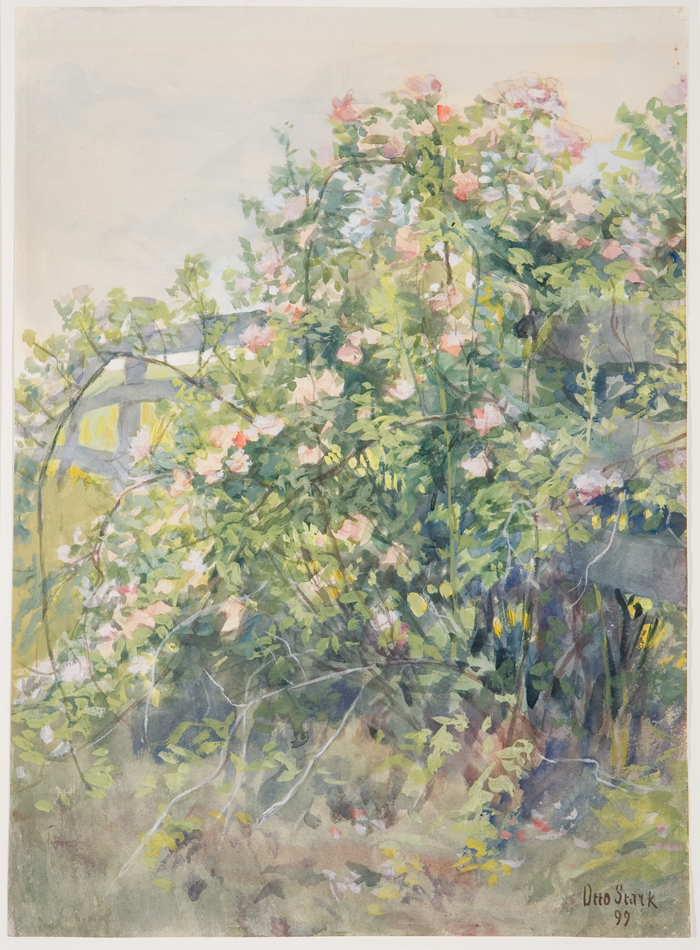
Climbing Roses, 1899, Otto Stark, American (1859-1926), watercolor, 14 x 10 3/8 in. (35.56 x 26.37 cm), Gift of Gertrude Hutzel, 1974.019.010.
This painting, created by Otto Stark in 1899, is made with watercolor. This painting shows a beautiful rose bush and a blue sky. Watercolor paint and its use of water, and the way the colors end up kind of pastel, remind me of spring colors and rainfall. The beautiful flowers that have bloomed in this painting are very spring-like. The rose bush in the painting symbolizes romance and growth.
The Vine
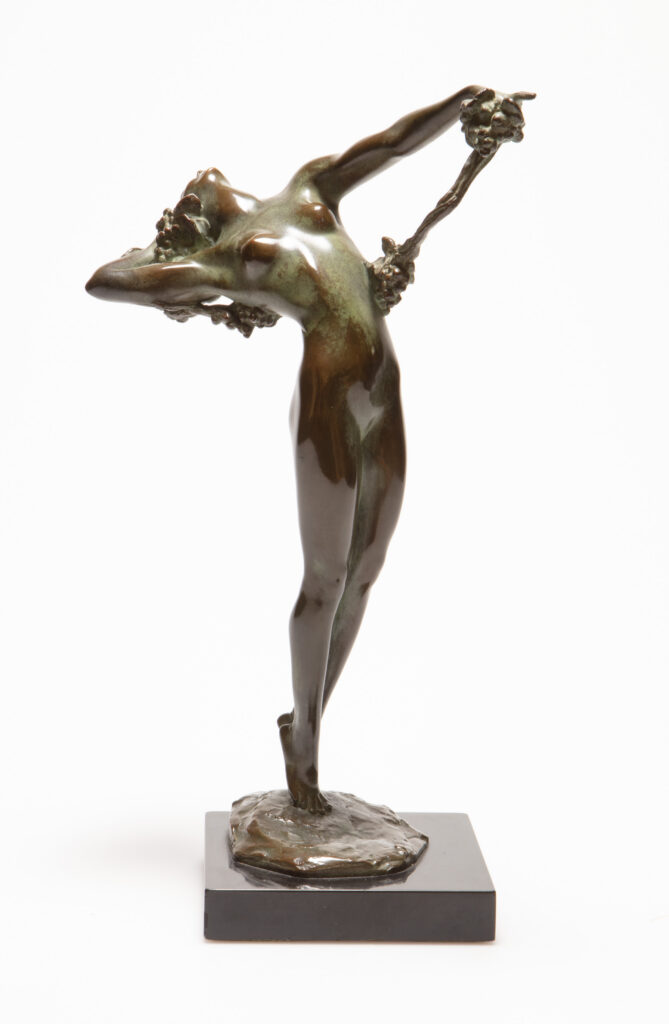
The Vine, 1921, Harriet Whitney Frishmuth, American (1880-1980), bronze, 12 3/8 x 6 1/2 x 7 in. (31.43 x 16.51 x 17.78 cm), Gift of Frank and Angela Petty, 2020.004.000.
This sculpture, created by Harriet Whitney Frishmuth in 1921, was cast in bronze 396 times between 1921 and 1966. This sculpture shows a dancer clutching growing grapevines behind her back. The sculptor used a ballet dancer as her model. The pose the dancer was captured in was meant to represent the dynamic way the vines grow. This sculpture symbolizes growth and expression. In spring, grapevines bud and mark the start of rapid growth.
Flowers Decorating a Stone Relief of the Virgin and Child
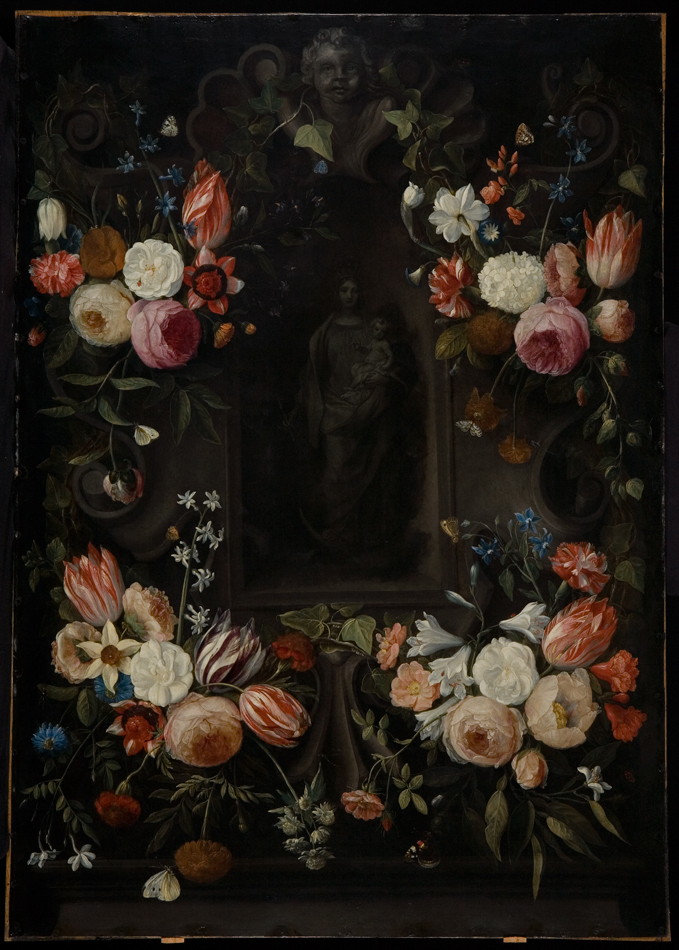
Flowers Decorating a Stone Relief of the Virgin and Child, 1650-1655, Jan van Kessel, Belgian (1654-1708), oil on copper, 35 3/16 x 24 7/8 in. (89.38 x 63.18 cm), Museum Purchase: Frank C. Ball Collection, gift of the Ball Brothers Foundation, by exchange, 1997.005.000.
This dark and floral artwork was created by Jan Van Kessel between 1650 and 1655. Artworks with the Madonna and child as the subject are immensely popular in Christian art. The painting uses a technique called grisaille to give a 3-D or sculpture-like effect, and the artist added colorful flowers along the outside. The flowers surrounding the piece consist of: tulips, roses, lilies, daffodils, cornflowers, carnations, hyacinths and forget-me-nots. Flowers that are especially fragrant during spring include tulips, hyacinths and daffodils.
Garden Party
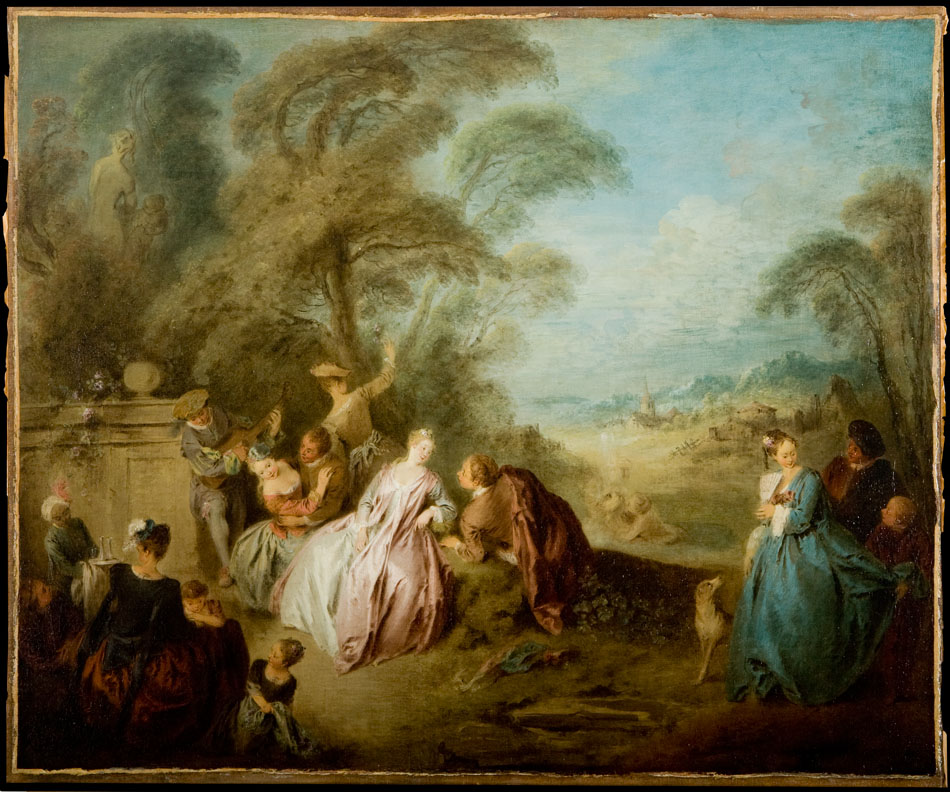
Garden Party (Fête Champêtre), about 1730, Jean-Baptiste Pater, French (1695-1736), oil on canvas, 21 1/2 x 25 1/2 in. (54.61 x 64.77 cm), David T. Owsley Collection; lent in memory of his mother, Lucy Ball Owsley, L2014.002.000.
This Rococo-era oil painting was created by Jean-Baptiste Pater around 1730. The painting shows aristocrats enjoying their leisure and flirting and courting each other. Rococo is strongly associated with spring and summer because of the strong focus on interacting outside and around gardens and nature. There is no dark and icy weather to disrupt the joy of the people featured.
DOMA will once again celebrate springtime with flowers in the galleries! Over the May 15-17 weekend, visit DOMA to enjoy floral creations inspired by works from the collection, along with tours, music, activities, and more. Friday evening features a reception from 5-7pm, and Saturday and Sunday, the museum will host an open house from 1-5pm both days. Visit bsu.edu/doma to learn more about this community celebration – all open to the public with no admission fee.
Comments: