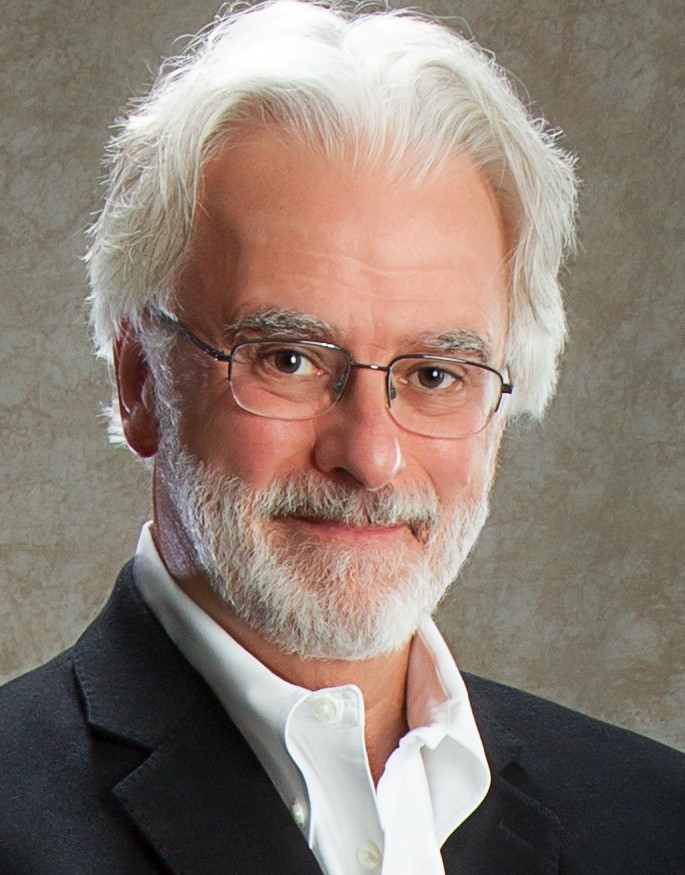
Meet Dr. Denny Morrison! Dr. Morrison has several degrees from Ball State. His first degree was a Bachelor of Science in Psychology and Biological Science in 1973, followed by a Master of Arts in Counseling Psychology in 1974. Dr. Morrison earned another Master of Arts in Exercise Physiology in 1984 and a PhD in Counseling Psychology in 1986. Chirp Chirp to this dedicated Cardinal!
What led you to your graduate program at BSU?
My goal was to be a psychologist, and at the time, I needed at least a master’s to do that. So it took me six years to get my undergrad because I was working full-time. After I got my undergrad, I continued at Ball State and got my master’s. That was my first master’s there, and it was a double major – psychology and physiology. I went out and worked for about five years and saw that I needed a doctorate, so I came back to get my PhD in psych and counseling psych. While I was there, I earned a second master’s in exercise physiology while getting my doctorate. I was writing a dissertation and a thesis at the same time, and no, they weren’t the same topic.
What was your proudest memory as a BSU grad student?
Probably getting my PhD. I flunked out of Ball State as an undergrad. So, after three years, I was halfway through, and I flunked out. That was one of the best things that could have happened. Of course, it was traumatic at the time, but it was one of those things that forced me to kind of come to grips with the fact that I had to get serious. Things turned around, and it was a good thing ultimately. So, to come back from that and get three graduate degrees, including a PhD, was a pretty nice feeling.
How have you been able to use your graduate degree from BSU?
Well, significantly, because I’m dually trained in physiology and psychology. Most of my work has been in mental health, and I did clinical work for about 14 years and then moved into management. I was the CEO of two companies that were mental health-related companies, and now I have my own business. On the physiology side, I served in the United States Navy as an officer, as an aerospace physiologist, and I trained Naval Aviators and air crew in safety procedures, how to eject from aircraft, and how to get out of an aircraft if they go down underwater. So, yeah, I’ve used all my degrees quite a lot. I went into the Navy in the middle of my PhD program. I left Ball State because I had an opportunity to be the 121st aerospace physiologist in the history of the Navy. So, there’s not a lot of these people around, and when the opportunity presented itself, I knew it was a risk. I left Ball State, went in and served a tour, and came back to finish up my coursework and internship.
What advice or wisdom do you have to share with current BSU grad students?
There is a light at the end of the tunnel. I know grad students are really busy and their heads are down working on their degree requirements. But, if at all possible, find ways to stay in touch with people who are in the field doing the job that you’re going to do, because academia is often so internally focused that they are not aware of things that are happening in the field that you’re going into, and doing that prepares you for what you’re going into. I think, in particular, in psychology, new psychologists are as prepared as academia can prepare them. The academic departments meet their credentialing requirements. But there are still certain skills and knowledge they need when they leave that creates a sort of sticker shock for a lot of them. They get out and think, nobody told me about this in grad school. For example, learning a little bit about the business aspects of mental health. If you go into private practice, you’re essentially a small business owner, and you have to learn about money and filing. My business is in health information technology, so I’m really acutely aware of the technical side of what they need.


