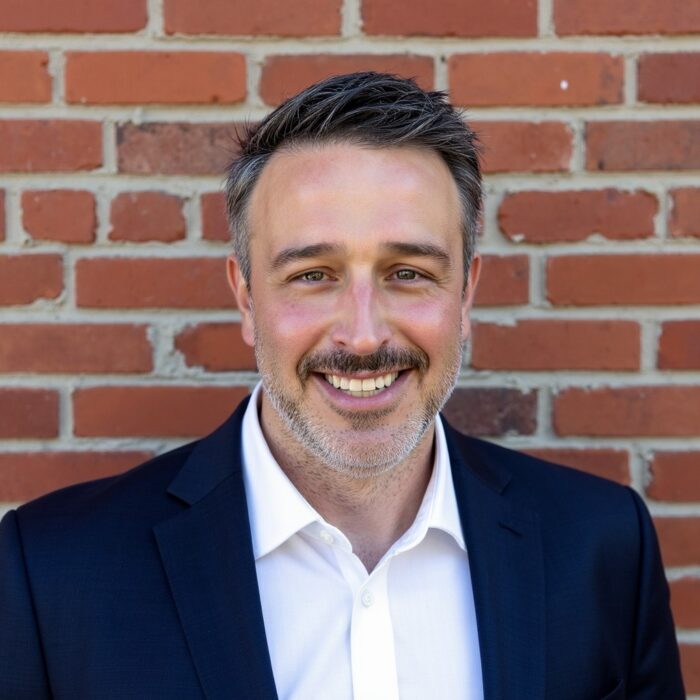
What led you to your graduate program at BSU?
I graduated with a degree in Biology and was working in pharmaceuticals, doing research and development. I had several fraternity brothers who had gone back to do a master’s CICS, and I saw that the program was opening up pathways into really interesting careers, like consulting and sales. So, I chatted with my frat brothers, and this was during the 2000s dot-com era, so there was a path to stable and well-paying careers. I made the decision to go back based on their success and the career prospects. I am now a Senior Manager of Partner Sales with Amazon Web Services.
What was your proudest memory as a BSU grad student?
I would say the capstone project, which occurs at the end of the program, because it starts to pull together all the aspects of CICS, whether that is tech, business, or social, all aspects of being a well-rounded professional. The capstone builds a business plan or strategy for taking a company to market, and it was great to present my project to industry professionals and get feedback. It was a really cool project
How have you been able to use your graduate degree from BSU?
(The CICS degree) definitely did two things. First, the skills I learned unlocked opportunities that I wouldn’t have had access to from a professional perspective. Second, it gave me the networking aspect with alumni who graduated from CICS. That helped me get my first job out of grad school, and it has helped me two or three times in my career journey, whether that was opening doors to new opportunities or moving to a capability and skill set, which have both been key contributors to what I have been able to accomplish
What advice or wisdom do you have to share with current BSU grad students?
I have three things. First, try to get as much practical data-driven experience as you can, which will separate you from others who just have theoretical knowledge, not real-world experience.
Be adaptable. Try not to have a fixed mindset on doing this one specific thing when you come out of the program. Be flexible, open to ideas. The industry is changing quickly, so the skills required today may not be the same in two or three years. So, continue to adapt.
Continue to learn once you’re out of the program. It doesn’t stop once you get a degree in this field. If you stay still too long, you’ll be passed by from a capability’s perspective. Push yourself to learn new things to stay relevant.


